
Breaking the Plateau: The 2025 Guide to Sustainable Weight Loss
Weight loss remains one of life's most common, yet profoundly frustrating, journeys. We start fueled by motivation, visualizing a lighter, healthier self. When cravings hit, we cling to our "why." Yet, the stark reality persists: achieving lasting weight loss eludes the vast majority. While specific statistics evolve, research consistently shows a high rate of weight regain, highlighting the complexity of the challenge.
One core hurdle? Metabolic adaptation. When you consistently slash calories, your body, perceiving scarcity, can downshift your metabolism – a survival mechanism that becomes a weight loss roadblock. As emphasized by nutrition experts cited in publications like Essence Magazine, rigid calorie restriction often backfires. "Eating the same low level of calories daily inevitably leads to plateaus," experts explain. "This metabolic slowdown turns frustration into a significant barrier to your goals."
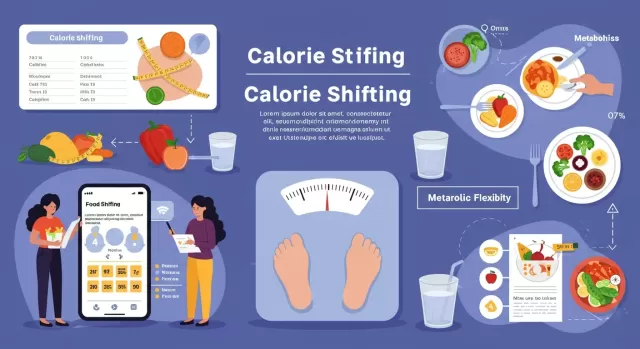
The emerging solution? Strategic Calorie Variation (Calorie Cycling/Shifting). This approach intentionally varies daily calorie intake to prevent metabolic slowdown and maintain progress.
The Metabolic Advantage: What the Science Shows
A pivotal 2014 study in the International Journal of Preventive Medicine compared traditional calorie restriction with calorie shifting:
- Calorie Restriction (CR) Group: Ate ~1,186 calories daily (a 55% reduction) for 6 weeks, maintaining a specific carb/protein/fat ratio. No exercise.
- Calorie Shifting (CS) Group: Followed an 11-day/3-day cycle for 18 days total (3 cycles):
The Results Were Telling:
- Initial Weight Loss: Similar between groups.
- The Crucial Difference (4 Weeks Post-Diet): The Calorie Shifting group maintained significantly more weight loss.
- Metabolic Preservation: The CS group's resting metabolic rate (calories burned at rest) remained significantly higher both at the end of the diet and at the 4-week follow-up. Their bodies didn't downshift as drastically.
- Added Benefits: The CS group also saw improved cholesterol levels, reported less hunger, and felt more satisfied.
Expert Strategies for Sustainable Success in 2025
Beyond calorie variation, experts advocate these integrated strategies for lasting results:
- Master Meal Timing: Space meals consistently every 3-4 hours. This stabilizes blood sugar, manages hunger hormones, prevents energy crashes leading to poor snack choices, and avoids what experts term "fat hibernation" – where the body clings to fat stores instead of burning them for fuel.
- Embrace Nutrition Awareness: Move beyond simple calorie counting. Track what you eat, how much, when, and crucially, the context and your feelings. Are you eating mindfully or distracted? Socially or stressed? This "nutrition awareness practice" (using apps or journals) reveals powerful patterns and emotional triggers affecting your food choices.
- Hydrate Strategically: Prioritize water intake, especially 1-2 glasses before meals. This promotes fullness, aids digestion, provides a slight metabolic boost, and is essential for efficient fat metabolism. Herbal teas and infused water add variety.
- Fuel with Fiber: Focus on whole-food fiber sources – beans, lentils, vegetables, fruits, and whole grains. Fiber promotes satiety, stabilizes blood sugar, feeds beneficial gut bacteria (crucial for metabolic health), and aids digestion. Aim for diversity in your fiber sources.
The 2025 Perspective: Beyond the Diet Mentality
The key takeaway for sustainable weight management in 2025 is shifting focus from short-term, rigid "diets" to long-term metabolic health and adaptable habits. Strategic calorie variation combats the body's natural resistance to restriction. Combining this with mindful eating patterns, consistent hydration, adequate fiber, and understanding your personal triggers creates a holistic, sustainable approach. It's about working with your body's biology, not fighting against it, to achieve lasting well-being.