2026 Tesla Model Y Performance Enters the Electric SUV Arena
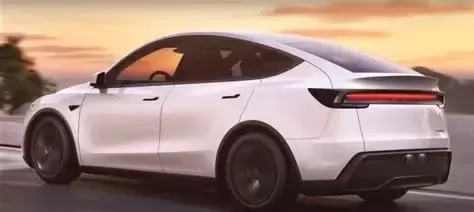
The highly anticipated Tesla Model Y Performance has finally arrived, boasting impressive specs and a feature previously absent from Tesla's lineup: vehicle-to-load (V2L) and vehicle-to-home (V2H) bi-directional charging capabilities. This launch places the Model Y Performance squarely in competition with established rivals like the Hyundai Ioniq 5 N, Chevrolet Blazer EV SS, and Ford Mustang Mach-E GT.
Priced at a competitive $59,130, the 2026 Tesla Model Y Performance delivers impressive performance figures. It accelerates from 0 to 60 mph in a blistering 3.3 seconds and reaches a top speed of 155 mph. Tesla estimates a range of 306 miles on a single charge. Under the hood, the Performance 4DU drive unit, borrowed from the Model 3 Performance, generates 460 horsepower while maintaining a respectable energy consumption of 26.07 kWh per 100 miles.
The power is transferred to the road via new 21-inch Arachnid 2.0 wheels, working in conjunction with a revised adaptive suspension system optimized for the Model Y Performance. Upgrades to the springs, anti-roll bars, bushings, and front suspension geometry contribute to enhanced handling compared to the standard Model Y AWD. Retaining its practicality, the Model Y Performance includes a towing package and Class II tow bar, allowing it to tow up to 3,500 pounds.
Performance Compared
- Hyundai Ioniq 5 N: While the Ioniq 5 N boasts a higher combined horsepower of 641, enabling a quicker 0-60 mph time of 2.8 seconds, it sacrifices range, offering only 221 miles on a full charge.
- Chevrolet Blazer EV SS: The Blazer EV SS delivers 615 horsepower, resulting in a 0-60 mph time of 3.4 seconds and a range of 303 miles, slightly trailing the Model Y Performance in both categories.
- Ford Mustang Mach-E GT: With a combined power output of 480 hp, the Mustang Mach-E GT matches the Tesla's 0-60 mph time of 3.3 seconds, but falls short in range, managing only 280 miles.
Autonomous Driving Capabilities and Cost
The 2026 Tesla Model Y Performance offers Full Self-Driving (FSD), now labeled with the "(Supervised)" caveat, as an $8,000 option, bringing the total cost to $67,130. In contrast, Ford's BlueCruise on the Mach-E GT is a $2,000 one-time purchase, resulting in a significantly lower overall price. The Blazer EV SS includes Super Cruise standard for three years, making it more affordable than the Y Performance with FSD until the OnStar Super Cruise subscription becomes necessary. The key advantage of FSD is its capability to navigate nearly any road, while Super Cruise and BlueCruise are limited to pre-mapped roadways. The Hyundai Ioniq 5 N provides a hands-on assisted adaptive cruise control system with lane-change assistance.
V2L and V2H Functionality
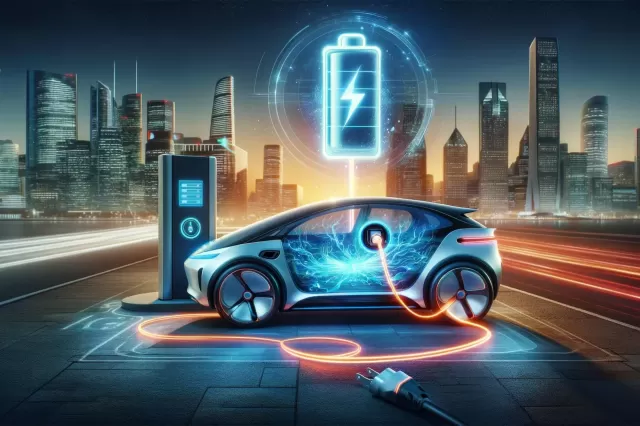
The Hyundai Ioniq 5 N has long offered V2L capability, enabling users to power devices and appliances using the vehicle's battery. Now, the Model Y Performance joins the fray, but with a caveat: it requires two separate accessories. First, the Tesla Mobile Connector ($300), enabling connection to various outlets, and second, the $80 Powershare Outlet Adapter, providing 2.4 kW of output through two 120-volt outlets.
Comparatively, the Ioniq 5 N requires only a single adapter, costing between $93 and $270. The Blazer EV SS features V2H capability, but the bi-directional adapter costs $1,999 plus installation. This adapter enables both charging the Blazer EV SS and powering a home using the vehicle's battery.
Ultimately, the best choice depends on individual needs and priorities. For cost-effective V2L functionality and potent motors, the Hyundai Ioniq 5 N remains a strong contender. If V2H capability is paramount, the Blazer EV SS is the sole option. However, for a well-rounded performance electric SUV with competitive pricing and V2L capability, the 2026 Tesla Model Y Performance is a compelling option. With the Mobile Connector and Powershare adapters included, the total cost remains below that of the Ioniq 5 N even without the cheaper Lectron adapter.