Toyota AE86 BEV: Electric Drift Car with Manual Gearbox
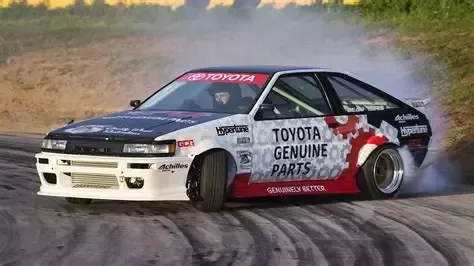
A surprising solution to common electric vehicle (EV) criticisms comes in the form of a revitalized classic: the Toyota AE86 BEV Concept. Is it a Toyota? Is it a Lexus? Regardless, this electric sports car is capturing attention. Its attributes include impressive speed, exhilarating handling, and a remarkably light 2,300-pound curb weight. What sets it apart is a genuine manual transmission, offering an engaging driving experience. Specifics like range and cost remain undisclosed, but the core concept shines.
A Glimpse into the Past
Originally a 1983 Toyota Corolla Levin Apex, the AE86 platform held a special place in automotive history. While the U.S. market received the Trueno version (with pop-up headlights), the Levin boasted fixed headlights and a name meaning "lightning." Both models, beginning in 1983, housed the revered 4A-GE engine: a naturally aspirated, 16-valve inline-four producing around 118 horsepower and 105 lb-ft of torque. Although these figures may seem modest by modern standards, the car's light weight (approximately 2,100 pounds) created a fun driving experience.
The author revisited a pristine Corolla GTS (the U.S. equivalent of the Trueno) to refresh his memory. Despite its modest power output, the car felt surprisingly energetic and responsive. The direct steering and connected feel highlighted why the AE86 achieved iconic status.
A Bold Transformation
Transforming a beloved performance icon into an electric vehicle required some radical changes. Lexus engineers removed the original drivetrain, including the 4A-GEC engine and five-speed manual gearbox, as well as the rear seats. In its place, a hybrid motor sourced from a Toyota Tundra was paired with a six-speed manual transmission from a 2023 Toyota GR86.
The battery pack, an 18.1-kWh unit from a Lexus RX450h+ PHEV, occupies the space where the rear seats and luggage were previously located. A roll cage was added for structural rigidity, and diamond plating now adorns the pedal box area. The conversion increased the vehicle's weight to 2,356 pounds, but Lexus claims the power-to-weight ratio remains similar to the original.
Engineering ingenuity characterizes the AE86 BEV. Electric motors typically don't require multiple gears due to their broad and efficient power delivery. However, the Lexus team deliberately limited the Tundra motor's speed to 6,000 rpm, forcing the driver to engage with the manual transmission.
Furthermore, a simulated idle was created by rapidly spinning and stopping the motor in neutral. Speakers positioned near the driver's seat generate the authentic sounds of the 4A-GEC engine, synced to the Tundra motor's rpm. The result is an EV that provides auditory cues for gear changes. Playfully highlighting the electric conversion, the "EV" in "Levin" is emphasized in green, and the rear of the car displays "Non Cam 0," indicating zero valves.
On the Road
The AE86 BEV accelerates with vigor. Engaging the clutch unleashes immediate power, propelling the EV forward. The modern six-speed transmission encourages decisive shifts. The experience resembles a scaled-down Chevrolet Camaro ZL1, delivering potent torque with each gear change.
Being a right-hand-drive vehicle adds another layer of engagement, especially in city traffic. The compact size and low stance of both the classic and electrified AE86 highlight a contrast to modern vehicles, raising questions about whether increased safety and features have compromised driving enjoyment. The AE86 BEV concept offers a captivating driving experience that could be enjoyed all day, if it weren't for its limited range.
The main drawback is the small 18.1-kWh battery, which only provides approximately 60 miles of range. The vehicle also uses a Japanese charging standard, requiring a slower JDM charger for replenishment. While battery swapping is possible (the team demonstrated a 40-minute process using an engine hoist), it's not a practical solution for everyday use.
The "Why" Factor
The AE86 BEV Concept was unveiled at the 2023 Tokyo Motor Show as a celebration of the original Corolla's 40th anniversary. The motivation behind this ambitious project stems from a desire to assess public interest in an electric sports car. The success of EVs in mainstream vehicle segments has been well established, but the enthusiast market remains a challenge.
Other manufacturers are also facing challenges in transitioning their sports models to electric. The decision by Porsche to offer a gas-engine version of the 718 Boxster/Cayman alongside the electric variant speaks volumes. Ferrari's announcement of its upcoming EV technology has also generated mixed reactions.
Lexus may be exploring uncharted territory, seeking a more appealing approach to electric performance. If the technological hurdles are addressed, particularly in the area of battery technology, the company could potentially create a successful modern version of the AE86 BEV concept.
Imagine a front-mounted electric motor delivering impressive power and torque, paired with a six-speed manual transmission and rear-wheel drive. This could be a compelling offering for driving enthusiasts. As Lexus emphasizes, the AE86 BEV Concept is a means of gauging public reaction. The message is clear: "Build it, and they will come."